

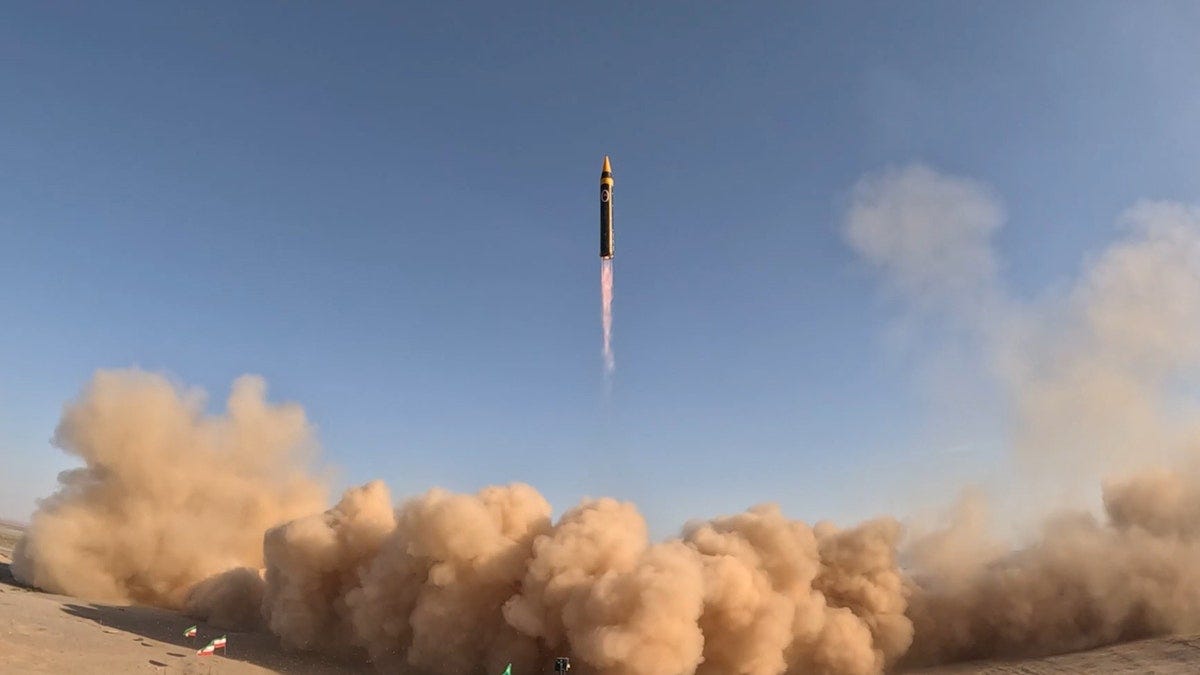
America has never had a more reckless and arrogant president. Blatant lies and a complete lack of restraint, punctuated by fits of childish pettiness, have become the hallmarks of Trump’s second term. He knows this second act is the final one for him, and he wants to go out with a bang. You have to break a lot of china to become the most consequential president in history, and he’s willing to do it. He’s said more than once that he doesn’t think he’ll go to heaven, and if the hell he’s unleashed is any indication, he may not have been joking.
There was no reason to start a war with Iran. They have been, and continue to be, in compliance with international law, both with respect to their nuclear program and their ballistic missile stockpile. Claims of mass murder of their population, on the order of tens of thousands of people, were fairy tales. Even if they had been true, it would be none of America’s business. We’ve permitted Israel to do far worse over the last 2-1/2 years, and with our weapons.
When Iranian protests erupted in late December, Trump’s immediate reaction gave us the first real sign that he had something up his sleeve. “If Iran … violently kills peaceful protesters… the United States of America will come to their rescue. We are locked and loaded and ready to go.”
Iranian officials alleged the violent anti-government protests were being orchestrated by American and Israeli intelligence. Public reporting moved beyond mere speculation: an Israeli Mossad-linked Persian account told Iranians they were “with you in the streets,” while US officials were later reported to have smuggled 6,000 Starlink terminals into Iran. But when the riots were met with even larger counter-protests from pro-government crowds and eventually crushed by security forces, the tactics changed.
After months of shedding crocodile tears for Iranian protestors (evidenced by the current massive bombing campaign of the cities in which those protestors live) and hyping bogus numbers on how many Iranians had been killed (the oft-cited 30,000 in just a few days was absurd — it took Israel almost five months to kill that many Palestinians in their all-out military siege of Gaza), the Administration shifted tactics: a return to nuclear talks.
The “negotiations” with Iran were also a sham, designed to fail. The president’s men told the Iranians they would have to meet all of Israel’s demands and give up not only their nuclear program but also the ballistic missiles they needed to defend themselves. In exchange, America would take its finger off the trigger on the gun it held to their head. There would be no sanctions relief, no nothing. Just capitulation. And they called this offer “a deal”.
This played out as almost a carbon copy of last summer when the US pretended to negotiate in good faith over the nuclear program only to have Israel start bombing in the middle of it, initiating what’s been called the “Twelve Day War”, just as it looked like progress was being made.
This time the Iranians were more wary. Ballistic missiles were off the table, they told Trump’s envoys Steve Witkoff and Jared Kushner. Iran would only discuss limits on nuclear enrichment, and only in exchange for sanctions relief. Sanctions had been lifted as part of the 2015 deal Obama had brokered to limit enrichment. It was an agreement even Trump’s own administration certified Iran had complied with before he tore it up in 2018 and reimposed sanctions. Now, trust was gone, and it was the Americans who needed to reestablish it.
No dice. Trump’s not into the trust-building game. He’s into projecting power, instilling fear, and keeping his opponents guessing. He said Iran’s nuclear program had been obliterated last summer. Obliterated! But suddenly his roving real-estate investor turned diplomat Witkoff said they were a week away from weapons-grade enrichment, after 40+ plus years of being on the precipice!
And so at around 9:45 am Iran standard time on Saturday the 28th, the US and Israel stopped pretending they wanted a negotiated settlement and started raining down missiles. Within the hour they had hit a girls’ school adjacent to an Iranian military complex in Minab. Saturday is a school day in Iran, and more than 160 young girls were killed on the spot, their bodies buried under the rubble. At least one other school, this one for boys, also sustained damage and one boy was reportedly killed (video below).
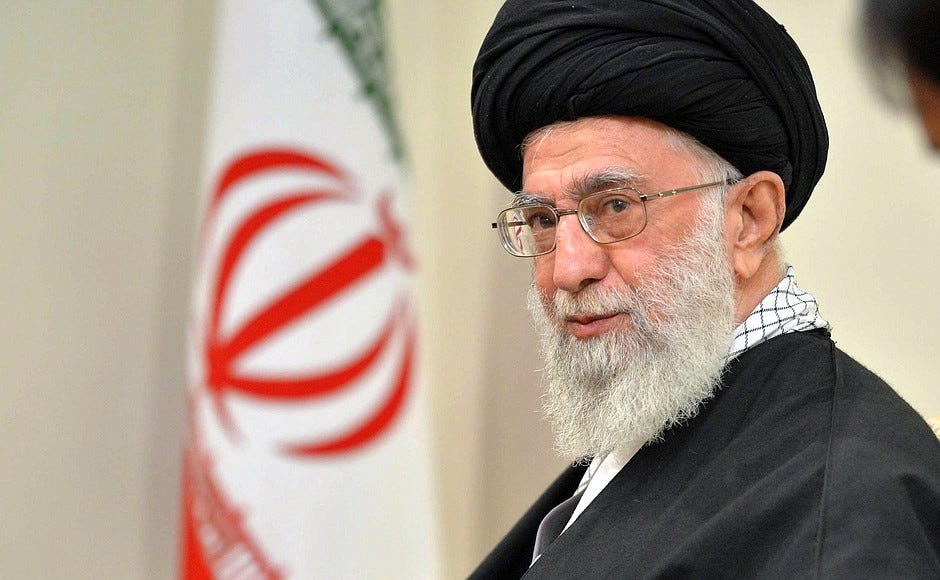
But one of the first casualties, if not the very first, was 86-year-old Ayatollah Khamenei. Iran’s Supreme Leader since 1989, Khamenei was not just the head of state of the Islamic Republic and its highest religious authority. He was also a revered religious figure for millions of Shia Muslims across the world. By Iran’s account, Khamenei knew he would almost certainly be taken out if he stayed in his residence, but he refused to be taken to a bunker while 90 million Iranians didn’t have that option. He had said his entire life he wanted to die a martyr.
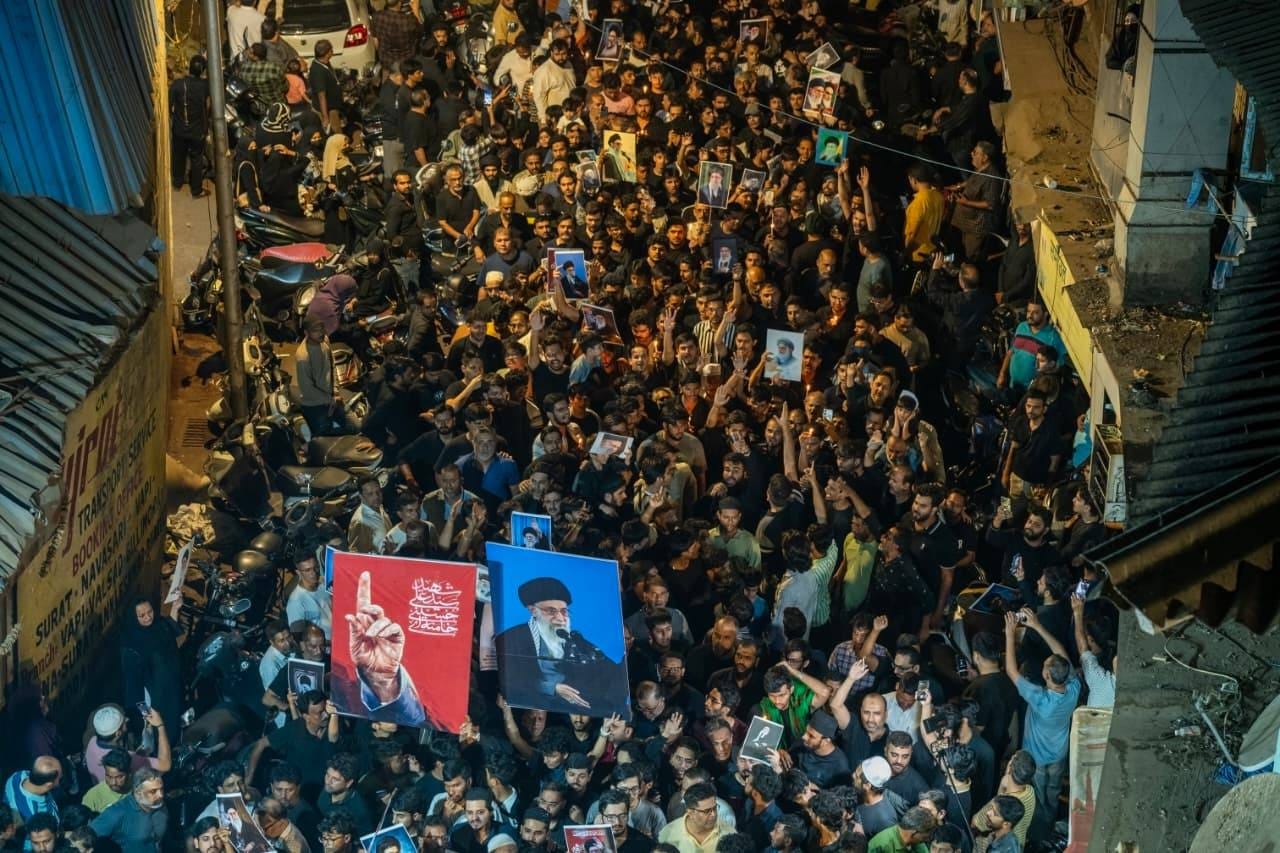
By Sunday, not only were the streets of Iran’s cities flooded with people mourning him and honoring his martyrdom by the US and Israel, many thousands more did so in cities across west and south Asia that hosted significant Shia populations, like India, Lebanon, and Yemen.
Whichever genius decided to take out Khamenei in a first strike should follow Kristi Noem out the door. Khamenei was certainly no saint but he was a man of restraint. He facilitated de-escalation last June when he settled for a symbolic strike on American facilities, with adequate pre-warning to evacuate, as sufficient retaliation against the US after it had bombed Iran’s nuclear sites. But more importantly for US objectives, his martyrdom is a highly emotional rallying cry pulling the Iranian nation and fellow Shias together to defeat what they consider an arrogant and evil America.
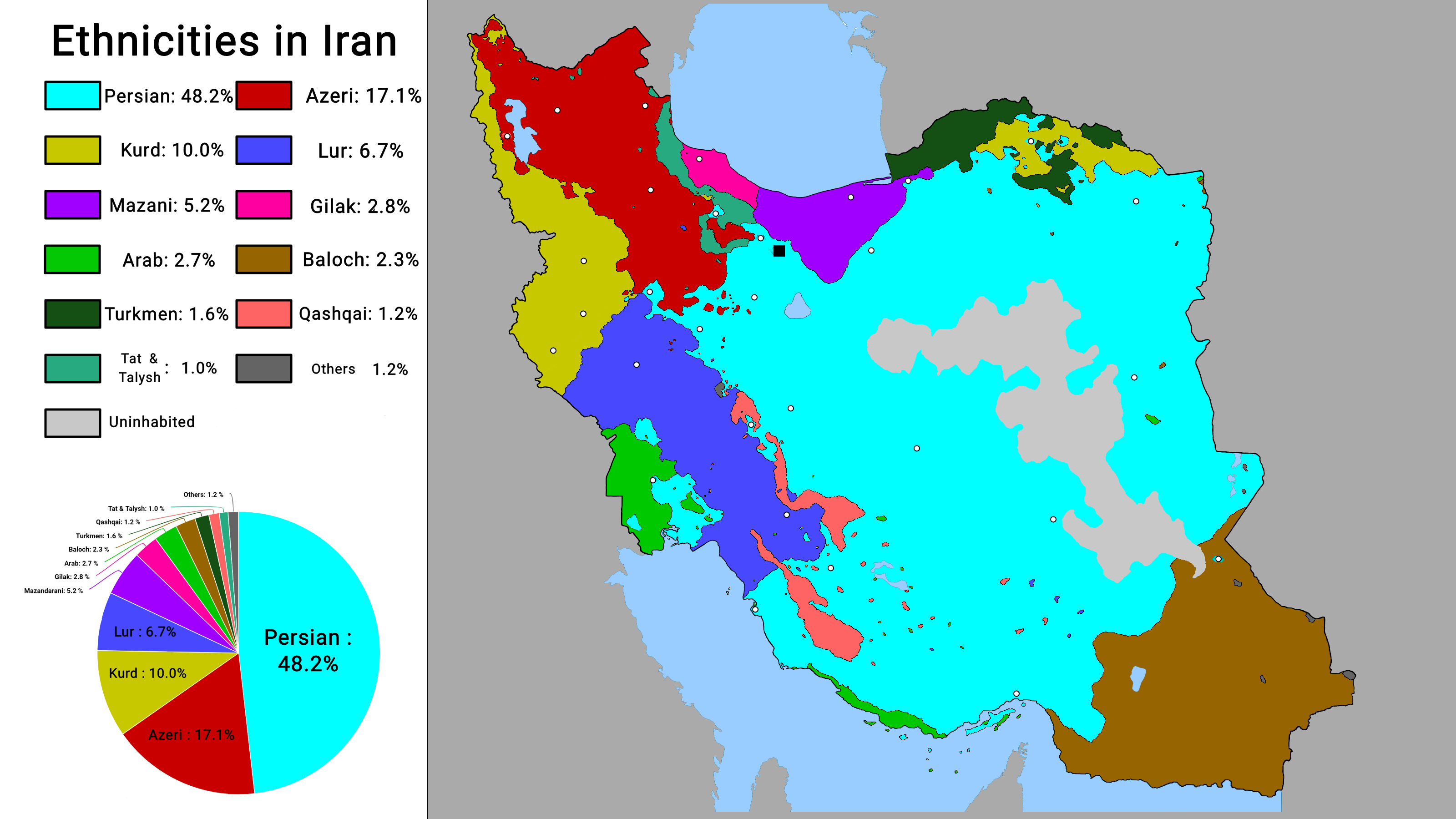
If the US launches a ground war or otherwise tries to fracture Iran along ethnic lines, the uniting effect that Khamenei’s killing has had will be a direct impediment to their goals. Iran has a dozen major ethnic groups, but they’re all overwhelmingly Shia except for the Kurds in the northwest, the Balochs in the southeast, and the relatively small Turkmen population in the extreme northeast. The Balochs, small in number but with large territorial coverage, have already issued statements of support for the Islamic Republic, and the Kurds have said they won’t become cannon fodder for America and Israel.
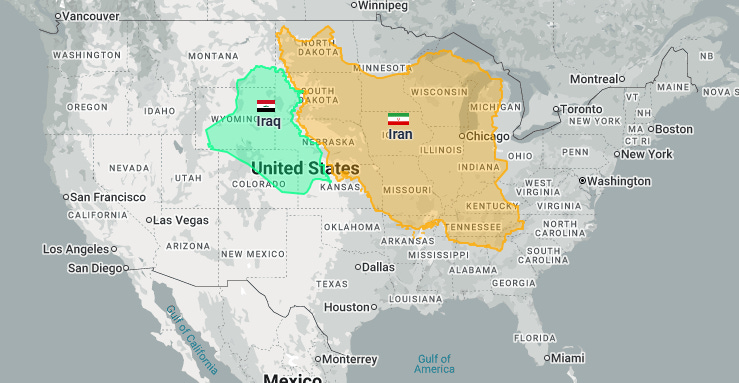
And a ground war would be disastrous for the US. Iran is not Iraq. It’s not Venezuela. At around 90 million people, it has a larger population than Germany, while being almost five times its size in land area. Superimposed over the US lower 48, Iran would stretch from the North Dakota-Canada border to Atlanta. And unlike Iraq, which is mostly flat desert and river valleys, Iran’s 600,000 square miles is packed with rugged limestone mountains interlaced with narrow valleys.
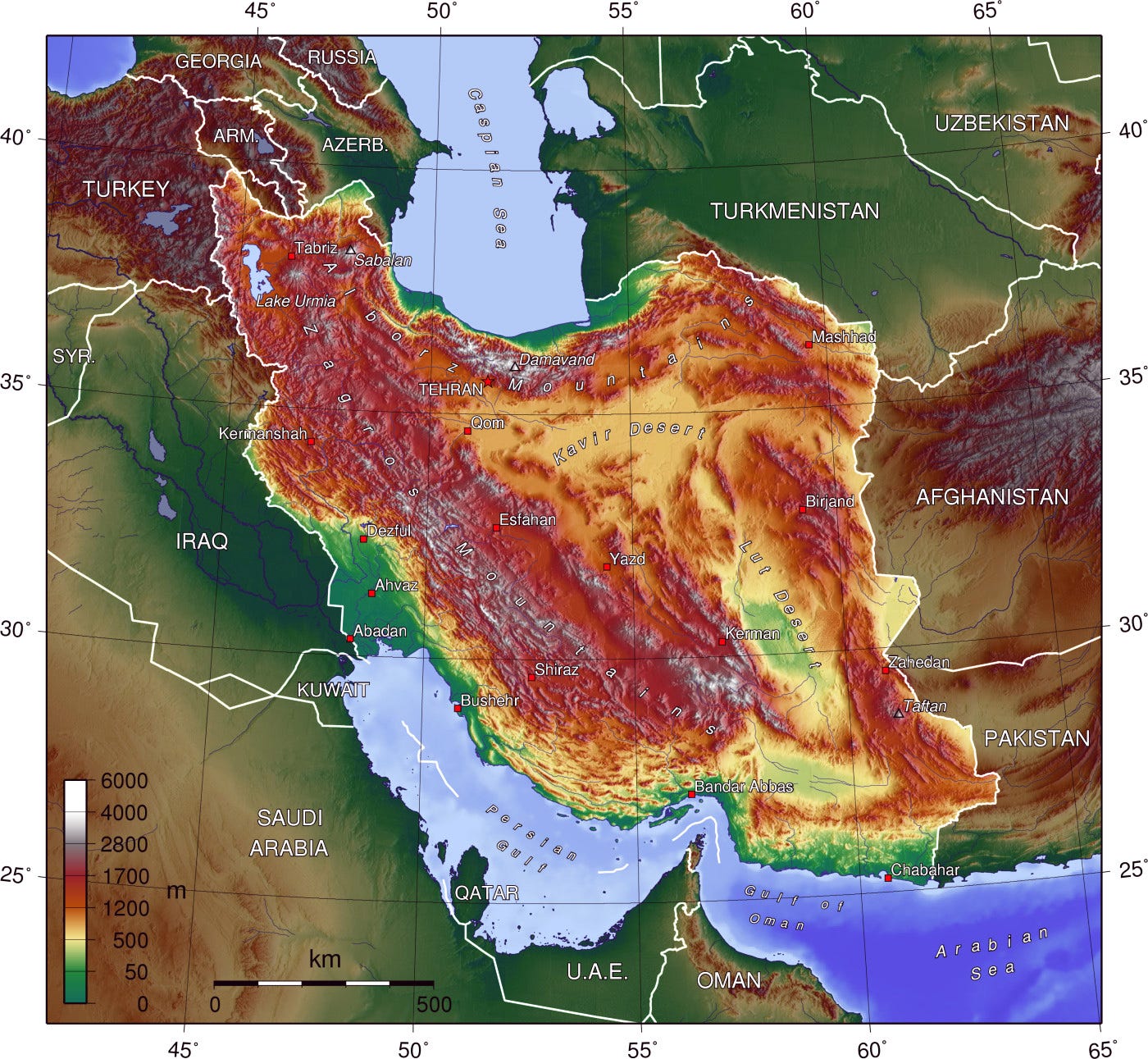
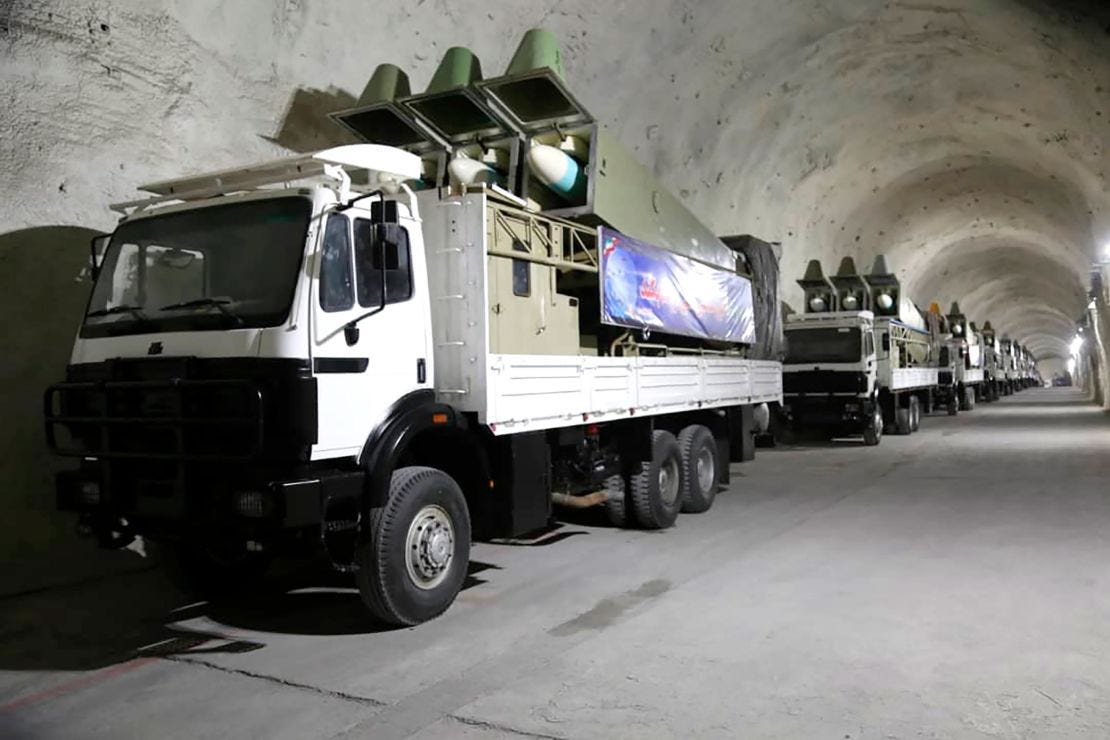
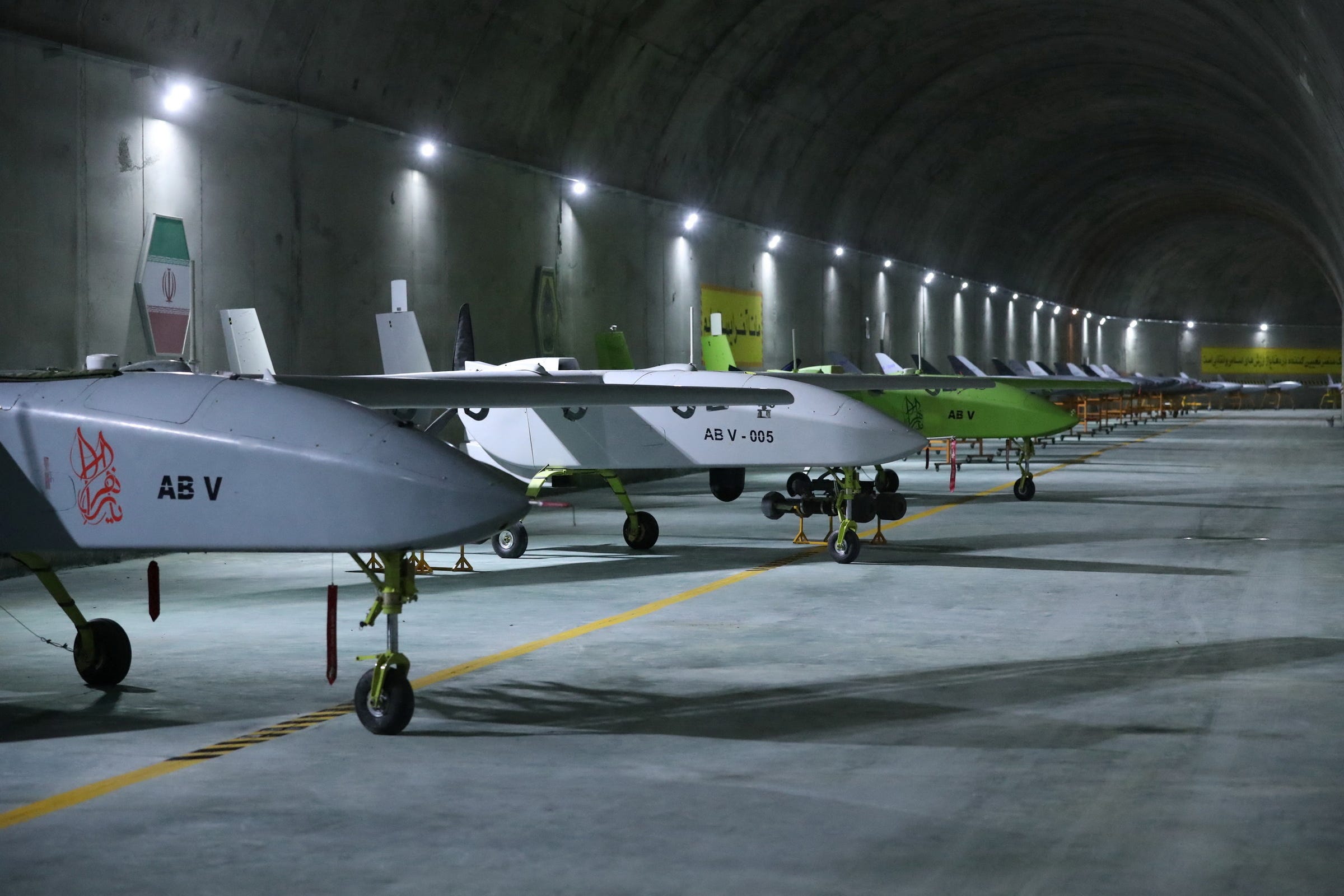
Deep inside these mountains, Iran has built extensive underground military infrastructure, including bases with production facilities and stockpiles of missiles, drones, launchers, fuel, and propellant. Across dozens of sites, these deep tunnel systems likely amount to hundreds of miles of underground passages and chambers. The biggest bunker-buster bombs that are available in significant numbers can’t reach these sites. The best the US can do is find and destroy their entrances, but with multiple dispersed entrances for a single complex, the damaged ones can be quickly cleared out and repaired when attention moves elsewhere.
Iran has a 600,000-strong standing army to defend its territory, with a sizable additional population of military-age men to draw from if they choose to fully mobilize for an existential fight.
Although, tellingly, Trump and the Israelis haven’t ruled out a ground invasion, they appear to have expected that a brutal, protracted bombing campaign would grind Iran down within days or weeks and force a surrender or, better yet in their eyes, a revolution. And maybe it still will. But so far the Iranians have sounded nothing but determined and belligerent, as if they know time and circumstances are on their side.
The Washington Post has reported that a classified US report issued a week before the start of the war concluded that even a large-scale American assault on Iran would be unlikely to topple the Islamic Republic’s military and clerical establishment. This leaves one to wonder, what were Trump’s upper echelon thinking?
If they thought they could get by without Iran inflicting much damage, that fantasy seems to already have been shattered. The true scale of the destruction Iran has already inflicted is being minimized, with Trump stupidly saying they’ve already been beaten, as if saying it will make it so.
At the Muwaffaq Salti Air Base in Jordan, a radar used for the THAAD missile-defense system was destroyed or severely damaged, with satellite imagery showing multiple impact craters. This is the most clearly documented successful Iranian strike on a high-value U.S. military asset so far, and has been publicly acknowledged by the US. Only about 10 of these radars exist globally.
At the Naval Support Activity Bahrain, which is the headquarters of the US Navy’s Fifth Fleet, satellite images showed multiple buildings destroyed, two satellite communications terminals destroyed, and visible fires.
At an American naval base in Kuwait, six US soldiers were killed in a drone strike, the deadliest confirmed strike on US personnel so far. Damage has also been done to the Ali Al Salem Air Base, home to an expeditionary wing of the US Air Force.
At the US air base in Erbil, Iraq, where most of the remaining 2,000 US troops in the country are stationed, according to video and reports circulating on Telegram, rockets and drones attributed to Iran-aligned groups in Iraq have struck areas inside and around the base, causing damage and fires.
There have also been attacks and material damage, with the extent largely unknown, at Al Dhafra base in the UAE, Al Udeid in Qatar, and Prince Sultan Air Base in Saudi Arabia. Iran says they have shot down 82 US or Israeli drones since the war began.
And Iran has even claimed that when the USS Abraham Lincoln aircraft carrier approached to within 340 kilometers of Iran’s territorial waters in the Sea of Oman, it was hit by IRGC naval drones, after which it retreated more than 1,000 kilometers away and took up position in the Indian Ocean. The US denied this and no independent evidence has publicly verified that the carrier was struck.
There’s no doubt the US and Israel are also inflicting major damage in Iran and will continue to do so.
A week into the war, the US Central Command (CENTCOM) claims it’s conducted over 3,000 strikes against targets in Iran, with about 1,000 of those occurring in the most-recent three-day period. They claim to have killed almost 50 of Iran’s senior military, intelligence, and political officials. In addition to this, there are Arab reports of widespread US attacks across Iraq on pro-Iranian militia bases. Iran claims that US-Israeli strikes on their country have killed more than 1,300 Iranian civilians so far, with thousands more injured.
America’s weapons and aircraft definitely make this an asymmetrical fight. But there’s another asymmetry here that works against the US and Israel, at least in this phase of fighting. This war is likely costing the US a billion dollars a day right now. No one really knows the cost to Iran, but one of their primary weapons — the Shahed drone — costs around $20,000 per unit. The interceptors used to bring them down cost, depending on the system, $40,000 (Israel’s Iron Dome) to $4 million (US Patriot) per shot. Only six or seven of the Patriot missiles are made per month.
It’s unclear where this goes next. Iran still seems confident and ready for the big fight, whenever it comes. They’re clearly whipped up with what they see as a righteous anger, not based on a stereotypical religious fanaticism, but on a feeling that they’ve been historically wronged and underestimated by the whole world. They keep taunting America to send its warships through the Straight of Hormuz and its troops to their shores, as if they have big plans for when that happens. It could all be bluster, but it doesn’t feel like it to me.
One thing is for sure, though. This was and is an unnecessary and unjust war. If it escalates much further, the executive branch attorneys who pretend the Constitution allows a president to do this without Congressional authorization so long as it’s a limited operation will have a big, big problem on their hands.
The Biden foreign policy team insanely threatened war with arguably the world’s most advanced nuclear superpower Russia. The Trump foreign policy team is beginning to make Biden’s look sane in comparison. The US has long been hated in the Middle East, but it’s also been feared. If they don’t play this right, it’s in danger of no longer being feared.
Richie Graham is based in Little Rock Arkansas USA and writes from a free-market libertarian, anti-interventionist perspective.